VFR · Lesson 65 · 8 min · ACS PA.I.H
Thinking Like a Pilot: The ADM Process and Hazardous Attitudes
Reviewed by a panel of three CFIs + AI review
Summary
ADM replaces instinct-only decisions with a repeatable structure, and it works only if you also catch the five hazardous attitudes and apply their antidotes.
Also watch
Quick check ▾
One question on what you just read.
Question 1 of 1
The ADM process · Topic mastery: Not started
Exit0 of 1 answered
What best describes aeronautical decision-making (ADM)?
Why this matters in flight
Most general-aviation accidents trace to human decisions, not broken machines. Learning a structured way to decide, and recognizing the attitudes that quietly sabotage good judgment, is the single highest-leverage safety skill a new pilot can build.
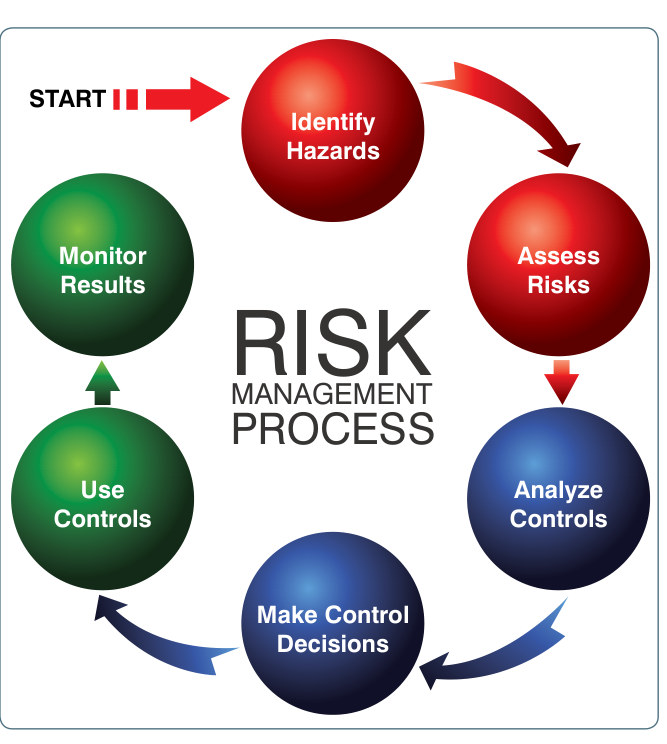
Aeronautical decision-making (ADM) is a systematic approach to consistently choosing the best course of action for a given set of circumstances. Instead of relying on instinct alone, it adds a repeatable structure — perceive the situation, evaluate the options, then choose and act on the safest one. Because ADM is a learned skill, it can be practiced and improved, and it directly attacks the human-error accidents that dominate general aviation. A major part of good ADM is guarding against the five hazardous attitudes that corrode judgment. Anti-authority says "don’t tell me"; impulsivity says "do something quickly"; invulnerability says "it won’t happen to me"; macho says "I can do it"; and resignation says "what’s the use." The defense is to recognize each in yourself and recite its antidote: follow the rules; not so fast, think first; it could happen to me; taking chances is foolish; and I’m not helpless, I can make a difference. Naming the attitude is what breaks its grip.
Key terms
- ADM
- Aeronautical decision-making — a systematic approach to choosing the best action.
- Hazardous attitude
- One of five mindsets that degrade sound aeronautical judgment.
- Antidote
- A specific corrective statement recited to counter a hazardous attitude.
Sources & references · 2 · 2 linked
Every claim traces to a source — paraphrased knowledge elements pointing at the governing FAA publication. Items marked verified have been checked against the retrieved source text; the rest are pending verification. Where the exact page or regulation has been located in a retrieved document, the source links straight to it.
- Risk Management Handbook / ADM — Risk Management Handbook verifiedRisk Management (document)
- Risk Management Handbook / hazardous attitudes — Risk Management Handbook verifiedFAA-H-8083-2A (p. 20)
Community
Ask for more detail or suggest additions to make this lesson better. Community input — not authoritative and not CFI-reviewed.
Sign in or create a free account to join the conversation.
No comments yet — be the first to help improve this lesson.