VFR · Lesson 1 · 7 min · ACS PA.I.A
Getting Started: Eligibility, Pilot Types and the Path
Reviewed by a panel of three CFIs + AI review
Summary
You must be 17 and understand English. The private certificate offers the broadest personal-flying privileges among student, sport, recreational, and private options, and the path runs from student certificate through training to the knowledge and practical tests.
Also watch
Quick check ▾
One question on what you just read.
Question 1 of 1
Eligibility: age and English language · Topic mastery: Not started
Exit0 of 1 answered
What is the minimum age to be eligible for a private pilot certificate in an airplane?
Why this matters in flight
Before you spend money on training you should know whether you are eligible, which certificate fits your goals, and what the road ahead looks like. Choosing the right certificate up front saves time and avoids paying to relearn material later.
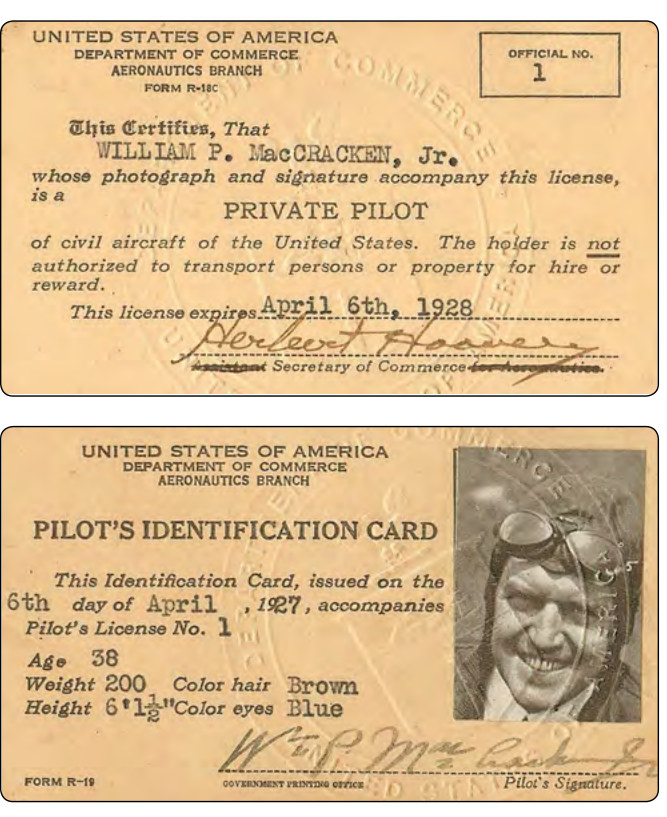
The private pilot certificate is the most common goal for new pilots because it offers broad privileges for personal flying. To be eligible you must be at least 17 years old and able to read, speak, write, and understand English, since English is the international language of aviation. It helps to understand how the private certificate compares to other options. A student pilot flies solo only with instructor endorsements and never carries passengers. A sport pilot flies light-sport aircraft with reduced privileges and can often use a valid driver license instead of a medical certificate. A recreational pilot has limited privileges, usually near the home airport. The private pilot sits above these with the ability to carry passengers and fly cross-country, though not for compensation or hire. The overall path is a clear sequence: get a student pilot certificate, train with an instructor, pass the knowledge test, and then pass the practical test with an examiner. Two vocabulary items appear on the test and in every certificate discussion: aircraft CATEGORY refers to the broad grouping — airplane, rotorcraft, glider, lighter-than-air — and CLASS is the subdivision within a category, such as single-engine land or multi-engine sea for airplanes. Your certificate and ratings name the category and class you may fly. Practically, you apply for the student pilot certificate through IACRA (the FAA's online application system) with your instructor or another authorized official, and U.S. flight training also requires proof of citizenship or TSA authorization before flight training begins. Sport-pilot, light-sport aircraft and BasicMed rules have been amended several times in recent years — always confirm the current limits in the FAA regulations rather than a memorized summary.
Key terms
- Student pilot certificate
- The entry-level certificate that allows supervised and, with endorsements, solo flight.
- Sport pilot
- A certificate for light-sport aircraft with reduced privileges and driver-license medical eligibility.
- Category and class
- Category is the broad aircraft grouping (airplane, rotorcraft, glider, lighter-than-air); class subdivides it (e.g., single-engine land).
- IACRA
- The FAA's online system for certificate applications, including the student pilot certificate.
- Checkride
- Informal name for the practical test taken with an FAA examiner.
Sources & references · 3 · 3 linked
Every claim traces to a source — paraphrased knowledge elements pointing at the governing FAA publication. Items marked verified have been checked against the retrieved source text; the rest are pending verification. Where the exact page or regulation has been located in a retrieved document, the source links straight to it.
- 14 CFR 61.103 — 14 CFR Part 61 — Certification: Pilots, Flight Instructors, and Ground Instructors verified14 CFR 61.103
- 14 CFR 61 Subparts — 14 CFR Part 61 — Certification: Pilots, Flight Instructors, and Ground Instructors verified14 CFR Part 61
- PHAK Ch. 1 — Pilot’s Handbook of Aeronautical Knowledge verifiedPHAK Ch. 1 (p. 16)
Community
Ask for more detail or suggest additions to make this lesson better. Community input — not authoritative and not CFI-reviewed.
Sign in or create a free account to join the conversation.
No comments yet — be the first to help improve this lesson.