VFR · Lesson 4 · 7 min · ACS PA.I.A
The Tests and What Your Certificate Lets You Do
Reviewed by a panel of three CFIs + AI review
Summary
Pass the 70-percent knowledge test and the ACS-based practical test to earn the certificate. A private pilot may carry passengers and share expenses pro rata but generally may not fly for compensation or hire.
Also watch
Quick check ▾
One question on what you just read.
Question 1 of 1
Knowledge test and practical test · Topic mastery: Not started
Exit0 of 1 answered
What is the minimum passing score on the private pilot aeronautical knowledge test?
Why this matters in flight
Passing the knowledge and practical tests is the final gate to your certificate, and knowing your privileges and limitations keeps you legal afterward. Misunderstanding what a private certificate allows is a common source of inadvertent violations.
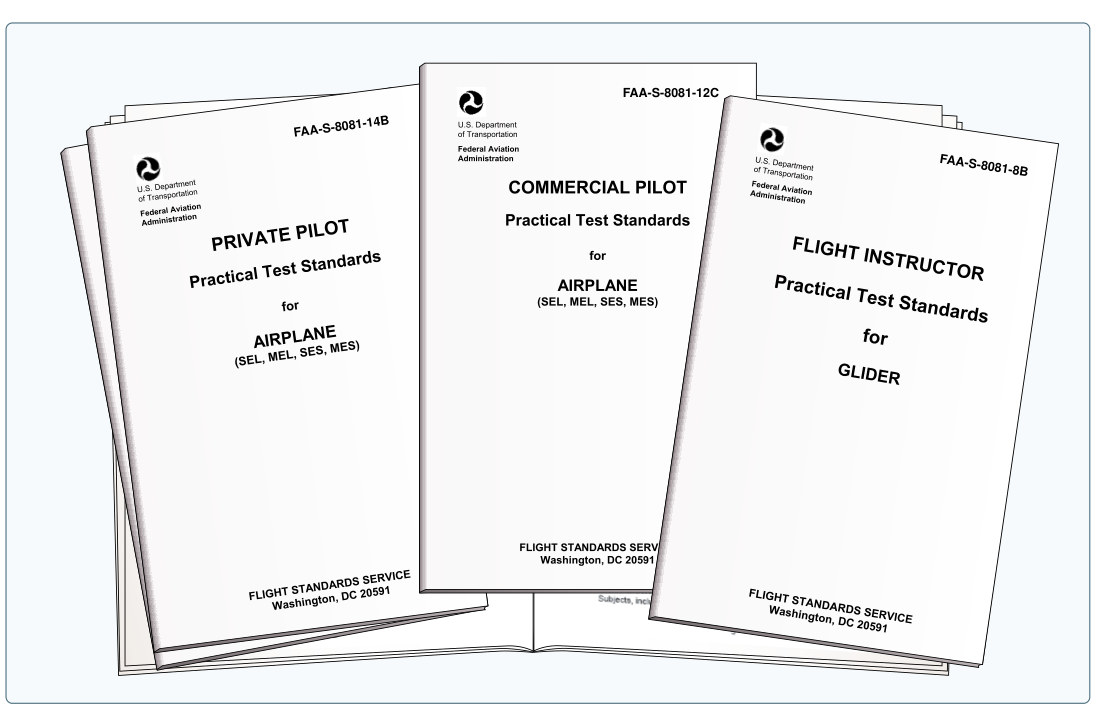
Two tests stand between a trained applicant and the certificate. The aeronautical knowledge test is a computer-based, multiple-choice exam requiring a score of 70 percent to pass. The practical test, or checkride, is given by an FAA examiner and combines an oral portion with a flight portion, all evaluated against the Airman Certification Standards. Once certificated, a private pilot may act as pilot in command of aircraft for which they are rated and may carry passengers, but generally may not fly for compensation or hire. A key allowance is that a private pilot may share the operating expenses of a flight with passengers on a pro rata basis, limited to fuel, oil, airport expenditures, and rental fees — and the pilot must pay at least their own equal share, with the flight made for a common purpose rather than merely to transport the passengers. The rule (14 CFR 61.113) also lists narrow exceptions the test probes: a private pilot may fly in connection with a business or employment if the flight is only incidental to it and carries no passengers or property for hire; may fly a charitable, nonprofit, or community-event flight under the conditions of Part 91; may be reimbursed for search-and-location operations; may demonstrate an aircraft to a buyer as an aircraft salesperson with 200 hours; and may tow gliders or unpowered ultralights when qualified. Separately, you must present your pilot certificate, medical (or BasicMed compliance), and photo ID for inspection on request by the FAA, the NTSB, or any federal, state, or local law-enforcement officer. The guiding principle remains that private flying is personal, not commercial.
Key terms
- Airman Certification Standards (ACS)
- The standards defining knowledge, risk management, and skill for each test task.
- Pilot in command (PIC)
- The pilot responsible for the operation and safety of the flight.
- Pro rata share
- An equal per-person split of allowed operating expenses among occupants.
Sources & references · 3 · 3 linked
Every claim traces to a source — paraphrased knowledge elements pointing at the governing FAA publication. Items marked verified have been checked against the retrieved source text; the rest are pending verification. Where the exact page or regulation has been located in a retrieved document, the source links straight to it.
- Private Pilot ACS / 14 CFR 61.35 — Private Pilot — Airplane Airman Certification Standards 14 CFR 61.35
- Private Pilot ACS — Private Pilot — Airplane Airman Certification Standards verifiedPrivate Pilot ACS (p. 1)
- 14 CFR 61.113 — 14 CFR Part 61 — Certification: Pilots, Flight Instructors, and Ground Instructors verified14 CFR 61.113
Community
Ask for more detail or suggest additions to make this lesson better. Community input — not authoritative and not CFI-reviewed.
Sign in or create a free account to join the conversation.
No comments yet — be the first to help improve this lesson.