VFR · Lesson 28 · 8 min · ACS PA.III.A · ACS PA.III.B
Runway and Taxiway Markings
Reviewed by a panel of three CFIs + AI review
Summary
Runway markings are white (numbers, threshold, aiming point, touchdown zone, centerline); taxiway markings are yellow. Hold short on the solid side of the runway holding position marking.
Also watch
Quick check ▾
One question on what you just read.
Question 1 of 1
Runway markings · Topic mastery: Not started
Exit0 of 1 answered
A runway is marked "27". What does this number represent?
Why this matters in flight
Reading the paint on the pavement keeps you on the right surface and, most importantly, keeps you from wandering onto an active runway. Runway incursions are a leading ground-safety concern, and the markings are your primary defense against them.
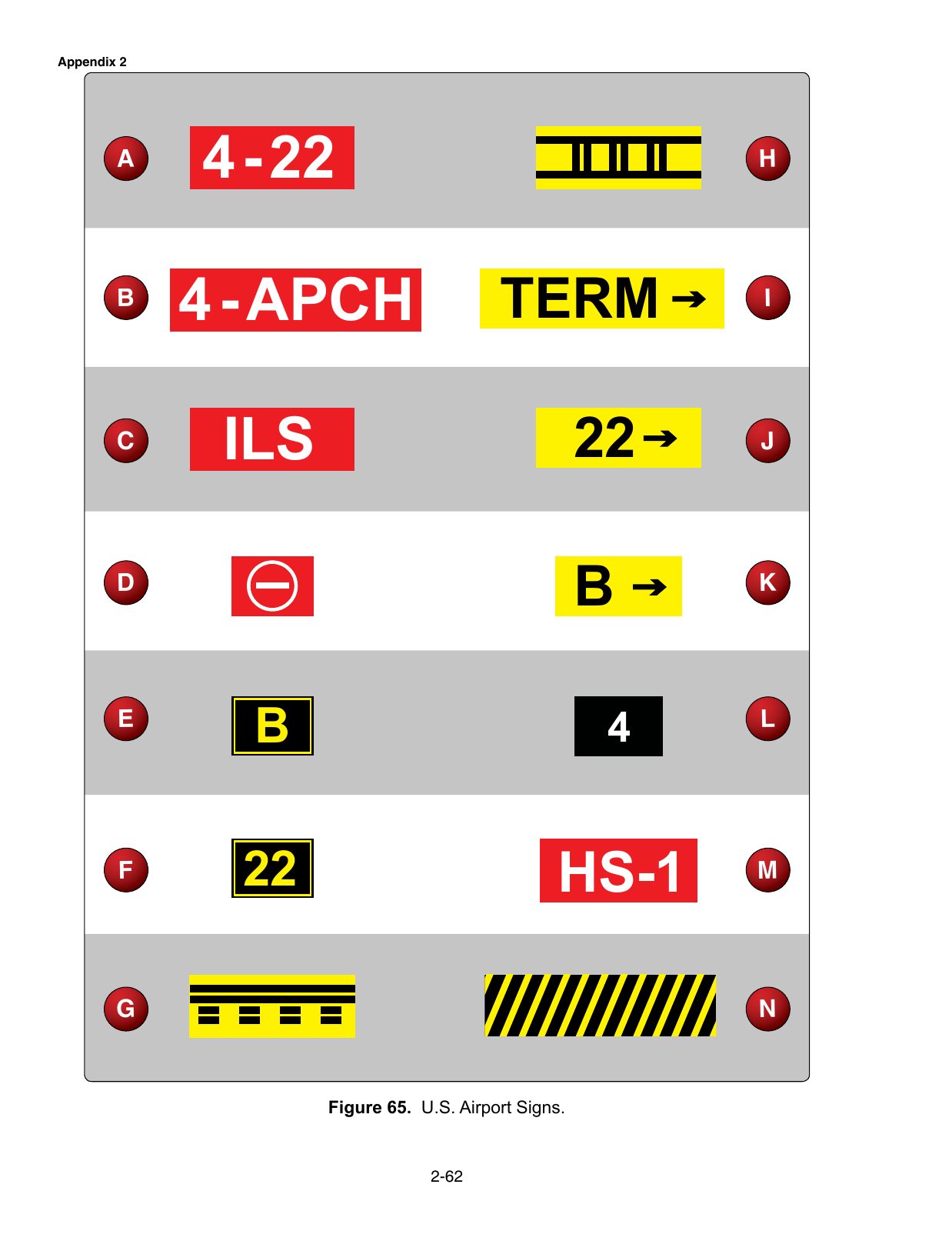
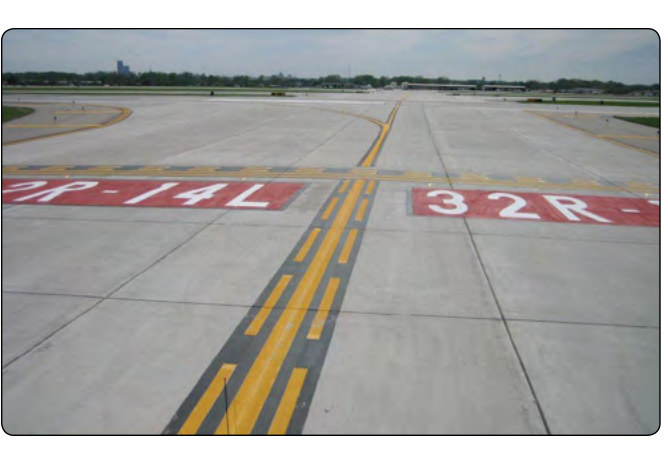
Color is the fastest way to tell surfaces apart: runway markings are white and taxiway markings are yellow. The runway number is its magnetic heading to the nearest ten degrees with the trailing zero dropped, so runway 27 lies on about a 270-degree heading. The threshold stripes show where the usable landing surface begins, the two broad aiming-point rectangles about a thousand feet in give you a visual touchdown target, and the touchdown-zone stripes are coded by distance. On taxiways, a single continuous yellow centerline is what you keep under the nose. The most important marking of all is the runway holding position marking: two solid and two dashed yellow lines. You hold short on the solid side and cross onto the runway only when cleared; approaching from the dashed side means you are leaving the runway.
Key terms
- Threshold marking
- Stripes marking the beginning of the runway available for landing.
- Aiming point
- Two broad rectangles about 1,000 feet down the runway used as a touchdown target.
- Holding position marking
- Two solid and two dashed yellow lines; hold short on the solid side.
Sources & references · 2 · 2 linked
Every claim traces to a source — paraphrased knowledge elements pointing at the governing FAA publication. Items marked verified have been checked against the retrieved source text; the rest are pending verification. Where the exact page or regulation has been located in a retrieved document, the source links straight to it.
- AIM 2-3-3 — Aeronautical Information Manual verifiedAIM 2-3-3 (p. 42)
- AIM 2-3-4 — Aeronautical Information Manual verifiedAIM 2-3-4 (p. 42)
Community
Ask for more detail or suggest additions to make this lesson better. Community input — not authoritative and not CFI-reviewed.
Sign in or create a free account to join the conversation.
No comments yet — be the first to help improve this lesson.