VFR · Lesson 14 · 8 min · ACS PA.VII · ACS PA.I.G
Ground Effect and Left-Turning Tendencies
Reviewed by a panel of three CFIs + AI review
Summary
Ground effect cuts induced drag near the surface and can mask a lack of climb speed. P-factor and the other left-turning tendencies yaw the nose left in the climb and are corrected with right rudder.
Also watch
Quick check ▾
One question on what you just read.
Question 1 of 1
Ground effect · Topic mastery: Not started
Exit0 of 1 answered
What is the primary aerodynamic effect of flying within about one wingspan of the ground?
Why this matters in flight
Ground effect explains why an overloaded airplane can lift off but fail to climb, and P-factor explains why you feed in right rudder on every climb. Both show up on every takeoff and landing.
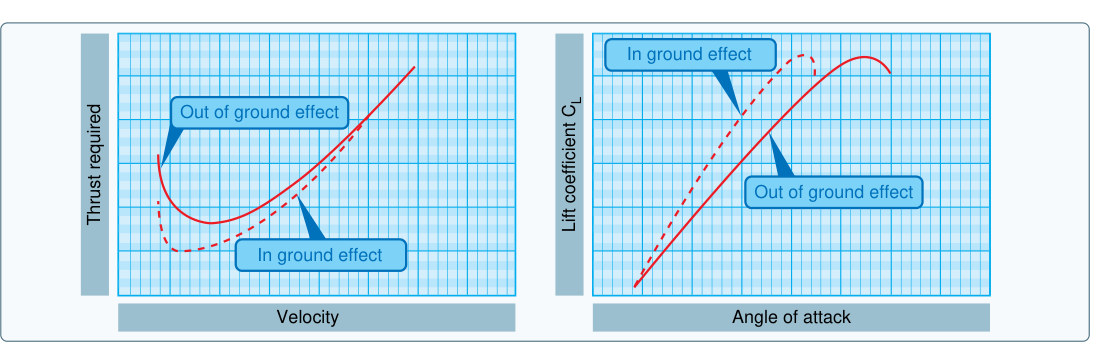
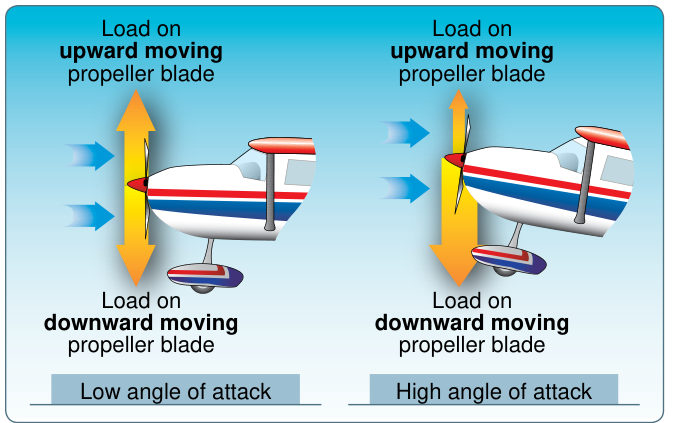
Close to the ground — within about a wingspan — the surface interferes with the wingtip vortices and downwash, reducing induced drag. This is ground effect. It can let the airplane become airborne below normal flying speed, which is a trap: if you climb out of ground effect before reaching a safe climb speed, induced drag rises and the airplane may settle back or fail to climb. On landing, excess speed in ground effect causes floating. Separately, single-engine propeller airplanes have several left-turning tendencies. P-factor is the most cited: at a high angle of attack the descending right blade takes a bigger bite of air than the ascending left blade, so thrust is asymmetric and the nose yaws left. It is strongest at high power and high angle of attack — exactly the climb — and is held off with right rudder. Torque, spiraling slipstream, and gyroscopic precession add to the effect.
Key terms
- Ground effect
- Reduced induced drag near the surface, within about one wingspan.
- P-factor
- Asymmetric propeller thrust at high AoA that yaws the nose left.
- Left-turning tendencies
- Torque, P-factor, spiraling slipstream, and gyroscopic precession.
Sources & references · 2 · 2 linked
Every claim traces to a source — paraphrased knowledge elements pointing at the governing FAA publication. Items marked verified have been checked against the retrieved source text; the rest are pending verification. Where the exact page or regulation has been located in a retrieved document, the source links straight to it.
- Airplane Flying Handbook FAA-H-8083-3 — Airplane Flying Handbook verifiedFAA-H-8083-3C (p. 137)
- PHAK Ch. 5 — Pilot’s Handbook of Aeronautical Knowledge verifiedPHAK Ch. 5 (p. 98)
Community
Ask for more detail or suggest additions to make this lesson better. Community input — not authoritative and not CFI-reviewed.
Sign in or create a free account to join the conversation.
No comments yet — be the first to help improve this lesson.