VFR · Lesson 7 · 7 min · ACS PA.I.A · ACS PA.I.B
Preflight Action and Safety Belts
Reviewed by a panel of three CFIs + AI review
Summary
Preflight action requires gathering all available flight information, including weather, fuel, alternatives, delays, and runway and performance data; the safety belt rule requires a briefing and fastened belts during taxi, takeoff, and landing.
Also watch
Quick check ▾
One question on what you just read.
Question 1 of 1
Preflight action (91.103) · Topic mastery: Not started
Exit0 of 1 answered
For a cross-country flight not in the vicinity of an airport, what must preflight action include under 91.103?
Why this matters in flight
The regulations require you to plan before you fly and to protect the people on board during the riskiest phases. Skipping preflight information gathering or the belt briefing is both illegal and a common factor in preventable accidents.
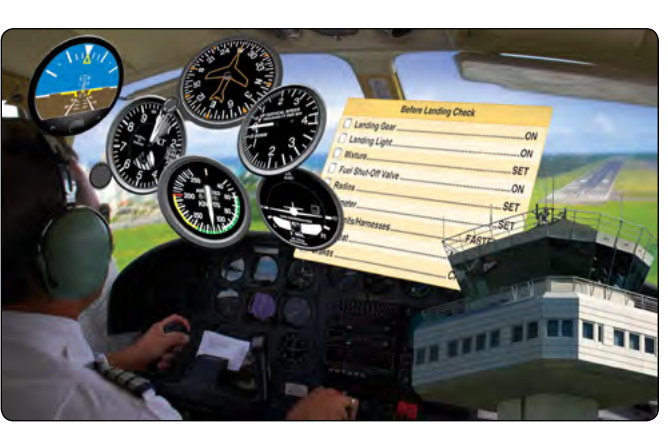
Preflight action is a legal duty, not just good practice. Before a flight the pilot in command must become familiar with all available information concerning that flight. For a flight not in the vicinity of an airport, that specifically includes weather reports and forecasts, the fuel required, alternatives if the flight cannot be completed as planned, and any known traffic delays. For any flight it includes runway lengths at the airports of intended use and the aircraft’s takeoff and landing distance data. The other half of protecting a flight is the safety belt rule. Before takeoff the PIC must ensure each occupant is briefed on how to fasten and unfasten their safety belt and shoulder harness, and each person must be in an approved seat with the safety belt — and, if installed, shoulder harness — properly secured during surface movement, takeoff, and landing. Both rules focus the pilot on the phases and information that most often determine whether a flight ends safely.
Key terms
- Preflight action
- The required gathering of all available information about the intended flight.
- Takeoff and landing distance
- Performance data the pilot must know for the airports of intended use.
- Safety belt briefing
- The required briefing on fastening and unfastening belts before takeoff.
Sources & references · 2 · 2 linked
Every claim traces to a source — paraphrased knowledge elements pointing at the governing FAA publication. Items marked verified have been checked against the retrieved source text; the rest are pending verification. Where the exact page or regulation has been located in a retrieved document, the source links straight to it.
- 14 CFR 91.103 — 14 CFR Part 91 — General Operating and Flight Rules verified14 CFR 91.103
- 14 CFR 91.107 — 14 CFR Part 91 — General Operating and Flight Rules verified14 CFR 91.107
Community
Ask for more detail or suggest additions to make this lesson better. Community input — not authoritative and not CFI-reviewed.
Sign in or create a free account to join the conversation.
No comments yet — be the first to help improve this lesson.